Upcoming session · Panel discussion · EntreStations · People axis

Partners: when you work and give more than your partner

Date: Saturday 31 October 2026 Time: 4:00 to 6:00 pm Place: DIGIT Center, Kafr Souseh, Damascus Open in maps

With Amr Al-Habash and Obada Al-Laham, moderated by Ahmad Nahas

In brief

  • The third session of the EntreStations programme, on the People axis.
  • Two guests with different experiences of partnership: Amr Al-Habash, who co-founded the Professor platform and later exited it, and Obada Al-Laham, co-founder of Tajer and Teryaq.
  • You leave with a way to open the conversation with your partner without a fight, and a measure instead of a feeling.
  • 62% of the people at the launch evening have co-founders, and half of them have not put the partnership on paper legally.
Illustration of a balance: one pan holds visible work like hours and files, the other holds unseen work like funding and ideas
About the session
“I carry the work alone, and my partner owns half.”

So do you really give more, or is that how you see it? And how do you raise it with your partner without losing them?

We put this question on the table with two guests who each have a different experience of partnership, to find out when the fix is a conversation, when it is splitting areas or changing the shares, and when it is parting ways.

On stage

Speakers and moderator

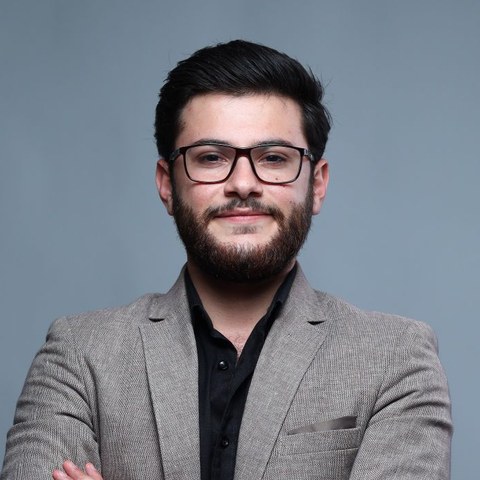
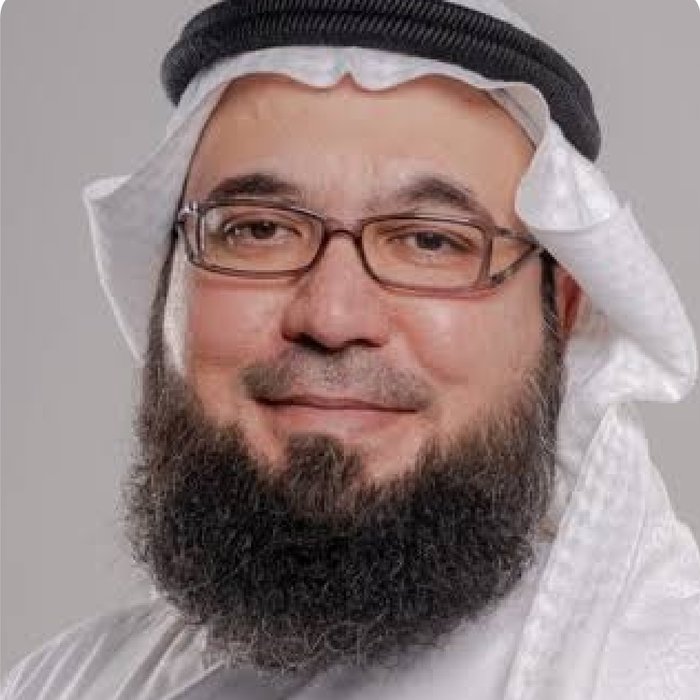
Amr Al-HabashSpeaker

Amr Al-Habash

Founder and Director, Al-Muhtaref

Physics teacher and founder of Al-Muhtaref, a learning platform for primary school students, and former co-founder of the Professor platform.

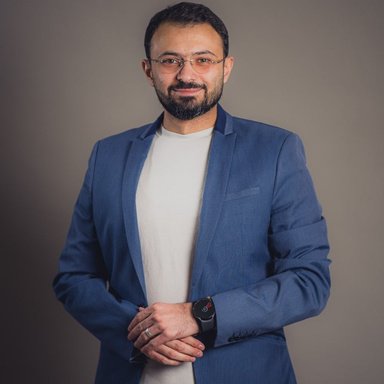
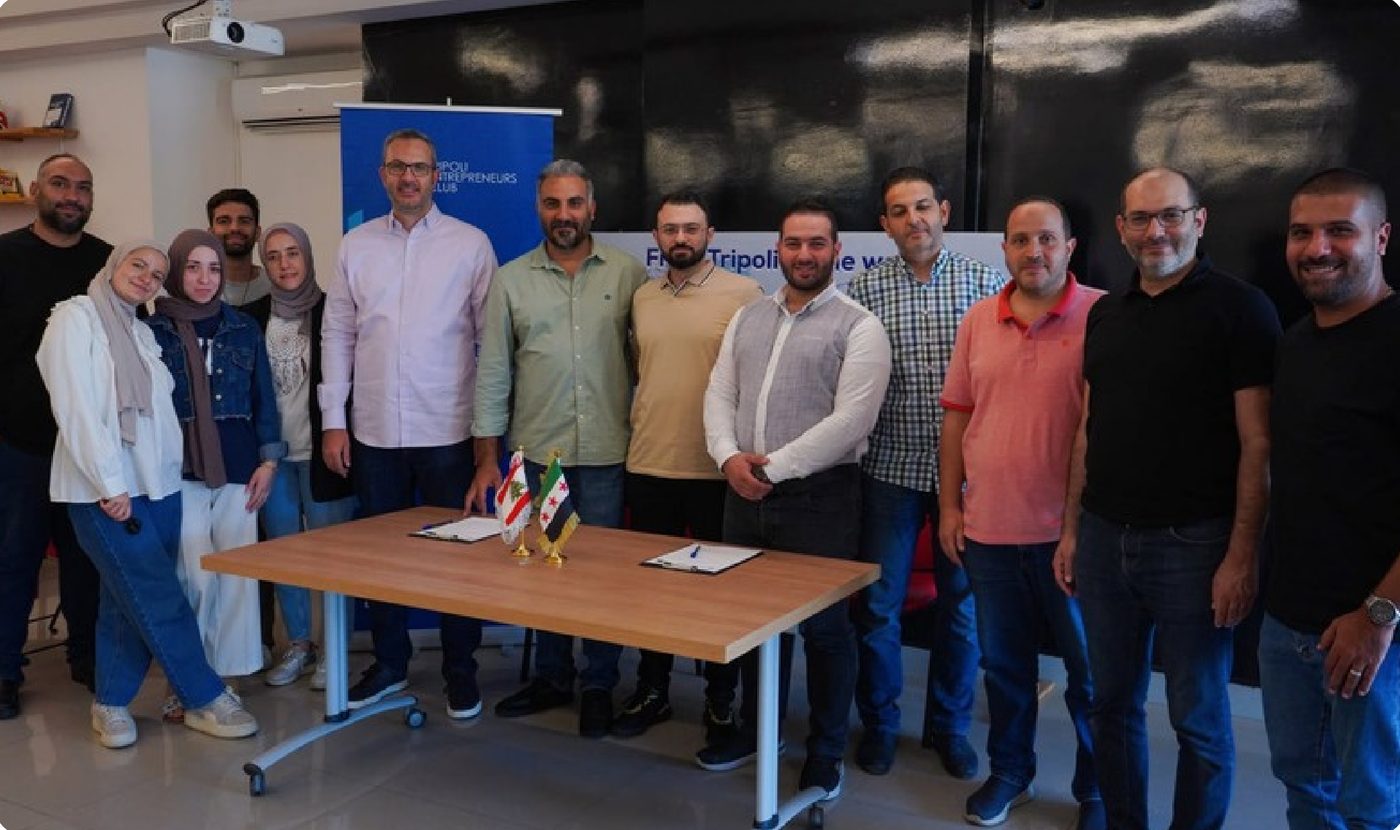
Obada Al-LahamSpeaker

Obada Al-Laham

Co-founder and CEO

Co-founder and CEO of the Tajer platform and the Teryaq company.

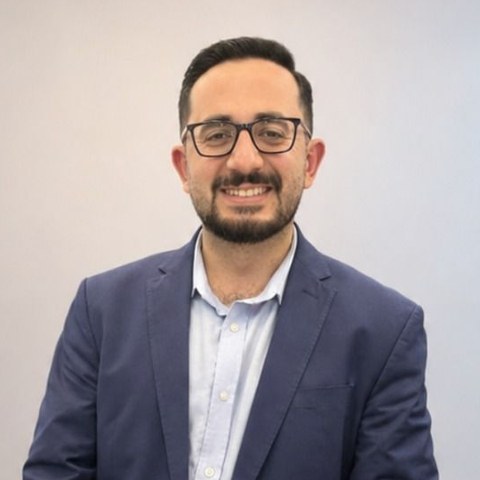
Ahmad NahasModerator

Ahmad Nahas

Entrepreneur, and Secretary of the Association

Author of "Harbuk: A startup in the world's most volatile market".

Discussion

What will we talk about?

  1. 01

    When does the feeling that you give more than your partner start?

    • Does it start when the work changes and the shares stay the same?
    • What was the first sign each guest noticed?
  2. 02

    Do you really give more, or is that how you see it?

    • How do you measure what your partner gives, when some of it is not seen: relationships, funding, decisions?
    • How does the other partner see the same story?
  3. 03

    What is the fix: a conversation, splitting areas, or changing the shares?

    • How do you raise it with your partner without a fight?
    • When is changing the shares the answer, and when is parting better for both?
    • What should have been written down from day one?
On the day

Schedule

All times are pm, Damascus time

  1. 4:00
    Arrival and registration15 minutes
  2. 4:15
    Opening15 minutes
  3. 4:30
    Panel discussion35 minutes
  4. 5:05
    Coffee break15 minutes
  5. 5:20
    Open discussion with founders40 minutes
  6. 6:00
    Closing and networkingFree time to meet each other
Background

When the partnership changes and the shares do not

Most partnerships start with energy and a simple split: half for you, half for your partner. Then the project grows, the work changes, and one partner is in the office every day while the other shows up less. That is when the feeling starts: I work more, so why do we split equally?

But that feeling is one side of the story. Some work is not seen: relationships, funding, hard decisions, and a reputation that opens doors. Each partner usually sees their own effort as bigger than the other does.

In this session we ask how you find out what is true, and how you talk to your partner before the feeling turns into a fight.

What is seen and what is not

What each partner gives, between what is seen and what is not

What is seen

  • Hours in the office
  • Daily operations
  • Following up with the team
  • Selling and delivering

How much do you give? And how much does your partner give?

What is not seen

  • Relationships
  • Funding
  • Hard decisions
  • A reputation that opens doors
Why this topic?

Because the audience was split on it

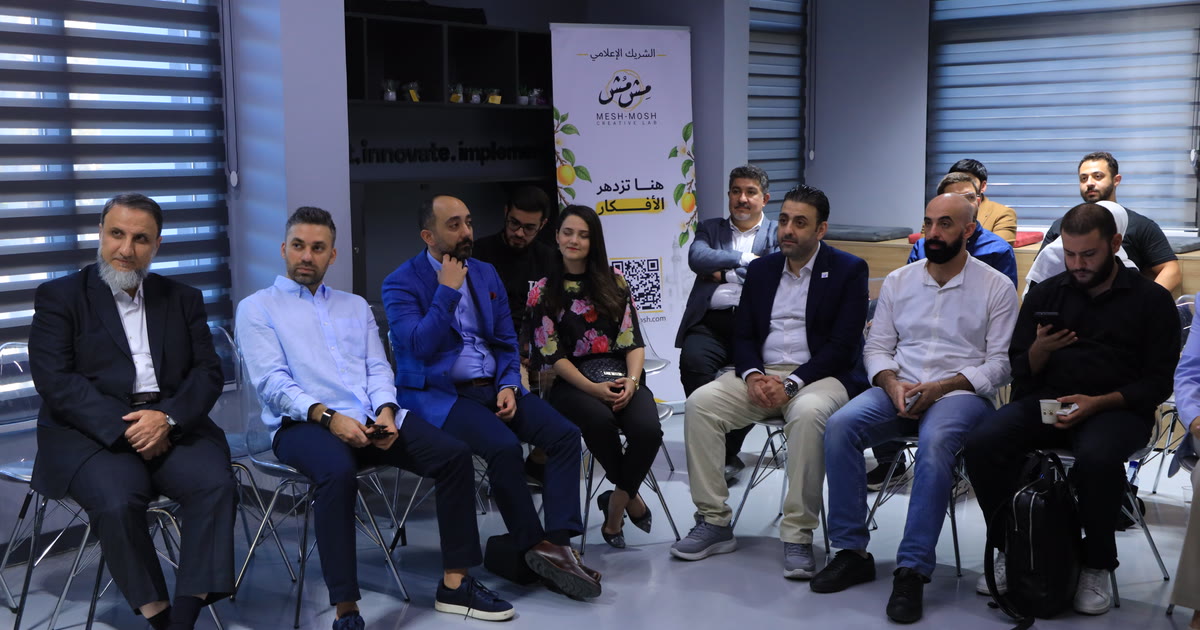
At the EntreStations launch evening on 24 September 2026, the audience voted from their phones on questions about partnership. Most agreed that an equal split is a mistake, but the people who actually have partners were split almost in half.

So we give this session to a question most partners face, and rarely talk about openly.

62%have co-founders
50%of those with partners have not put the partnership on paper legally
70%think a 50/50 split with a partner is a mistake

About these numbers: 41 people voted at an invitation-only evening, so they show a direction, not an exact measure. Read the launch coverage (Arabic)

Two styles

Count and adjust, or split and trust?

These are the two most common styles when one partner feels they give more:

Record, count, and adjust the shares

A partnership is a contract. You record what each partner gives, and change the shares when the work changes.

What it gives
Clarity and a fairness you can measure.
What it can cost
It may turn the partnership into a constant count that weakens trust.

Split the areas

Each partner owns a clear area, and the areas are not compared.

What it gives
A calmer relationship, and each partner owns their result.
What it can cost
The sense of unfairness may stay unsolved.

There is no single right answer. The question is which style fits your partnership today.

Before the session

What would you do?

Three situations many partners meet. Pick your answer, see how others answered, then compare it with what the guests say in the session.

01

You split 50/50. You work 10 hours a week and your partner works 4, and it has been two years.

02

The partner who works less should own less.

03

Your partner brought the money at the start, and you run the daily work now.

The programme

What is EntreStations?

A weekly programme by the Syrian Entrepreneurs Union for founders at any stage. Every Saturday there is an in-person session at DIGIT Center on a real challenge, within five independent axes. Each person picks the axis that fits their project.

About our programmes
  • PeopleDo I have the right people around me, and do I know how to lead them?
  • StructureWhen should I register my company, and how do I protect my rights without an early burden?
  • NumbersWhich numbers tell me the project works, and can I read them?
  • CapitalAm I ready to raise money, and do I have what convinces an investor?
  • DecisionWhen do I stop, change direction, or grow?
Community

Who is coming

Join in

Ask a question or share a view

Write your question for the guests before the session, or share your own experience with a partner. We may ask some of the questions during the panel.

Practical information

Questions

Who is this session for?

Anyone with a partner in their project or thinking of one: founders, partners in family businesses, and anyone about to sign a partnership agreement.

How much does it cost?

A session costs 10 US dollars, but attendance is free during the programme's pilot phase until the end of 2026. Just register to get a QR entry ticket.

Where and when?

DIGIT Center, Kafr Souseh, Damascus. Saturday 31 October 2026, 4:00 to 6:00 pm. In person only.

How do I register?

With the "Book your seat" button on this page. Sign in with Google or your email and you get a QR ticket and a calendar invite.

Book your seat · Free